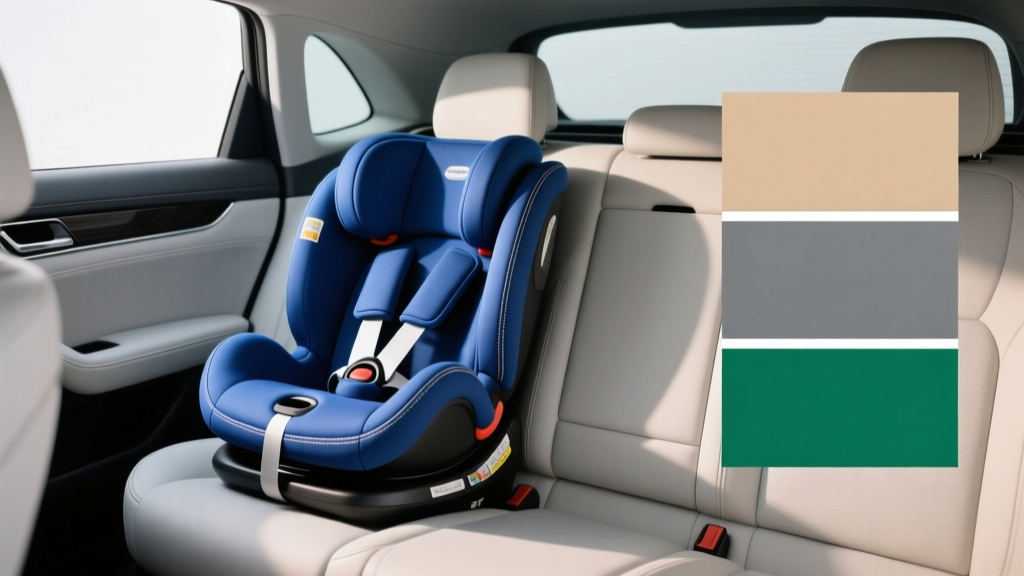
Child Seat Color Matching Guide (2026)
Child seats are a non-negotiable safety item, but they don?t have to look like an afterthought. If you?ve ever installed a car seat and immediately noticed the color clash?bright plastic against a premium leather cabin, or faded fabric next to fresh upholstery?you already know how quickly it can cheapen the feel of an interior.
Part 1 covered the basics of choosing complementary tones and materials. Part 2 goes deeper into the real-world challenges owners run into: mixed interiors (two-tone dashboards, contrast stitching), aging upholstery, glare and lighting shifts, and the ?moving target? problem?kids grow, seats change, and your car might be a lease today and a keeper tomorrow.
This guide focuses on practical, repeatable methods to make a child seat blend with your car interior while staying safe, easy to clean, and resale-friendly. You?ll get step-by-step tactics, specific color strategies, and product types that help you ?integrate? the look without doing anything that compromises installation or restraint function.
What ?Color Matching? Really Means for Child Seats
Most people think color matching means picking the same color family?black seat in a black interior. Integration is more nuanced. You?re matching tone, undertone, texture, and visual weight so the child seat doesn?t visually ?float? or clash.
The 4 elements that make or break the look
- Hue: The actual color (black, tan, gray, red).
- Value: How light or dark it is (charcoal vs jet black).
- Undertone: Warm vs cool (beige with yellow warmth vs beige with gray/cool base).
- Finish/texture: Matte fabric, glossy plastic, grained leatherette?this matters as much as color.
Real-world example: ?Black on black? that still looks wrong
A common mismatch happens in modern interiors with soft-touch matte plastics and black leather with a blue undertone. A child seat labeled ?black? may be a warmer charcoal fabric with shiny black cup holders. Under sunlight, it reads brownish-gray next to cooler black leather?suddenly it looks mismatched even though the label says ?black.?
Assess Your Interior Like a Detailer (Quick, Accurate, Repeatable)
Before you shop, you need a reliable read on your cabin colors. Interior lighting changes constantly, and phone cameras can lie. Use this quick method to reduce guesswork.
Step-by-step: Quick interior color assessment
- Clean the area first: Wipe the rear seat and door panel with a damp microfiber. Dust and oils can shift how a color reads.
- Check in two light conditions:
- Open shade (garage door open or under a carport)
- Direct sunlight (midday if possible)
- Identify your dominant ?anchor? color: Usually the rear bench upholstery, not the dashboard.
- Note the accent colors: Contrast stitching, piping, seatbelt webbing, plastic trim, headliner.
- Decide your goal: Blend in (closest match), complement (intentional contrast), or neutralize (use covers/mats to bridge differences).
Tip: Use existing interior cues as your palette
- Match a child seat to the seatbelt color if your upholstery is hard to match.
- Use the headliner as the ?light neutral? reference in beige/gray interiors.
- In sporty cabins, align with stitching color (red, blue, white) through small accessories like strap covers?without altering belt routing.
Advanced Color Strategies for Common Interior Types
1) Black interiors: avoid the ?three blacks? problem
Black interiors are the easiest on paper and the hardest in practice. You can end up with three different blacks: cool black leather, warm black fabric, and glossy black plastic.
- Best match: Charcoal/graphite fabrics with matte shells (less glare).
- Avoid: High-gloss black cup holders and bright white logos that pull attention.
- Integration trick: Add a dark gray seat protector beneath the child seat to ?buffer? undertone mismatches (only if approved by both vehicle and child seat manufacturers).
2) Gray interiors: choose ?neutral gray,? not ?blue gray? unless your cabin is cool-toned
Gray interiors range from warm greige to steel-blue. If your door inserts look slightly blue in shade, a cool-toned child seat will blend better. If your seats look taupe in sunlight, stick with warmer grays.
- Best match: Medium gray fabric with subtle heathering (hides crumbs and scuffs).
- Avoid: Very light gray seats if you have kids in messy stages?stains show fast.
3) Beige/tan interiors: manage contrast so it looks intentional
Beige interiors often clash with most child seats because manufacturers offer fewer beige options. Your goal is to make the contrast look deliberate.
- Best match: ?Sand,? ?stone,? ?latte,? or ?oat? child seat fabrics (often marketed as neutral).
- Second-best: A warm charcoal child seat plus a tan seat protector that echoes the upholstery.
- Avoid: Cool gray child seats in warm tan cabins?they read ?dirty? next to beige.
4) Two-tone interiors: match the lower half, not the dash
Two-tone cabins (black dash, tan seats; or black seats with light door panels) can trick you into matching the wrong section. Since the child seat sits on the rear bench, match the rear bench first.
- Best match: Match the rear seat upholstery color family.
- Integration trick: Use a low-profile organizer or kick mat in the second interior color to tie the look together.
Child Seat Materials and Finishes: How They Affect Color Matching
Material choices change how a color ?reads? and how it ages.
Fabric
- Pros: More forgiving on color mismatch; less glare; often cooler for kids.
- Cons: Can fade, stain, and hold odors if not maintained.
- Best for integration: Heathered fabric patterns in gray/charcoal to blend with most interiors.
Leatherette / vinyl accents
- Pros: Looks premium; wipes clean easily.
- Cons: Can look shiny next to matte OEM interiors; may get hot in sun.
- Best for integration: Matte leatherette, not glossy, especially in black interiors.
Hard plastics (shell, cup holders, belt paths)
- Watch-outs: Glossy plastic draws the eye and highlights fingerprints.
- Integration tip: Prefer seats with matte textured plastics in dark gray instead of piano black.
Step-by-Step: How to Match a Child Seat to Your Interior Before You Buy
- Pick your ?acceptable mismatch zone?: Decide if you can tolerate a shade difference as long as it?s the right undertone (warm vs cool).
- Shortlist 3?5 colorways: Most brands offer names like ?Graphite,? ?Midnight,? ?Stone,? ?Sand,? ?Onyx.? Ignore the marketing?focus on photos in real cars.
- Find real-world photos: Search image results for the model + color in actual vehicles. Studio shots are unreliable.
- Check logos and contrast stitching: Large white branding can dominate the look. Subtle embroidery blends better.
- Match the largest surface area: The fabric insert is what you?ll see most, not the shell.
- Plan your ?bridge? accessories: If you?re between colors, plan a seat protector/kick mat that harmonizes with both the upholstery and child seat.
Real-world example: Beige interior with limited beige seat choices
If you drive a tan-leather SUV and can?t find a true tan child seat, choose a warm charcoal seat (not cool gray), then add a tan seat protector approved for use by your seat and vehicle manufacturers. The protector visually connects the dark seat to the tan bench and keeps the contrast from looking abrupt.
Product Recommendations: What to Look For (and What to Skip)
Rather than listing fleeting model numbers, these are the product types and features that consistently work for color matching and daily use.
Best choices for seamless integration
- Heathered charcoal/graphite fabric seats: The most universal match for black and gray interiors and more forgiving than pure black.
- Neutral ?stone? or ?sand? colorways: Best starting point for beige/tan interiors when true tan isn?t available.
- Matte shell + subdued branding: Helps the seat look OEM-like.
- Machine-washable covers: Color stays better when you can properly clean it (follow manufacturer instructions).
Useful accessories (with safety caveats)
- Seat protectors: Only use if both your vehicle and child seat manufacturer allow them. Look for thin, grippy, non-compressible designs.
- Kick mats / back-of-seat protectors: Great for tying colors together visually and protecting seatbacks from shoe scuffs.
- Sunshades: Reduce UV fading and keep color consistent, especially for lighter fabrics.
Skip these if you care about looks and long-term wear
- High-gloss plastic accents: They age poorly and amplify fingerprints.
- Bright contrast piping: Looks sporty at first, then clashes when the cabin materials fade differently.
- Thick padded inserts not made by the seat manufacturer: They can interfere with harness fit and are a poor ?color fix.?
Common Mistakes to Avoid
- Matching to the dashboard instead of the rear bench: The child seat lives on the rear upholstery?start there.
- Trusting online color names: ?Stone? can mean warm beige in one brand and cool gray in another.
- Ignoring undertones: Warm tan vs cool gray is where most clashes happen.
- Buying pure white/light cream fabrics for daily kid duty: They look amazing for a week.
- Using unapproved add-ons to ?fix? color: Aftermarket padding, strap covers, or liners can create safety issues if they change belt routing or harness fit.
- Forgetting aging and fading: Your interior may be slightly faded; a brand-new ?perfect match? can stand out until it ages in.
Keeping the Match Looking Good: Cleaning and UV Strategy
Even the best color match won?t last if one surface fades faster than the other. Child seats sit in direct sun more than most upholstery, especially in sedans with steep rear glass.
Practical upkeep tips
- Vacuum weekly: Crumbs and grit dull fabric and make it look lighter and dirtier.
- Spot-clean fast: The longer a spill sits, the more it stains and shifts the seat?s tone.
- Use sunshades: Reduces fading and keeps ?stone? and ?sand? fabrics from yellowing.
- Rotate accessories: If you use a kick mat or organizer, reposition occasionally to avoid uneven wear patterns on the seatback.
FAQ: Child Seat Color Matching and Interior Integration
Is it better to match the child seat to the car seats or the trim?
Match to the rear bench upholstery first, then consider trim as a secondary reference. The biggest visible area is fabric-on-fabric (child seat on car seat).
What child seat color works in almost any interior?
Heathered charcoal/graphite is the safest universal choice. It blends into black interiors, complements gray, and contrasts more gracefully with beige than cool gray does.
My interior is beige?should I avoid black child seats?
Not necessarily. Black can look clean and intentional if you ?bridge? it with a compatible seat protector or accessories in warm neutrals. Avoid cool gray seats in warm beige cabins if you?re trying to keep the look cohesive.
Do seat protectors affect safety or installation?
They can. Only use a seat protector if your vehicle owner?s manual and your child seat manufacturer allow it. Some can compress, cause loosening, or interfere with proper installation.
How do I prevent the child seat fabric from fading compared to my interior?
Use rear window sunshades, park in shade when possible, and clean regularly. UV exposure and embedded dust are the fastest ways for fabric to look lighter and ?off-tone? over time.
Should I prioritize color matching over features like easy cleaning?
No?daily usability matters. Aim for a color you like, but favor easy-clean fabrics, machine-washable covers, and matte finishes. A slightly imperfect match that stays clean will look better than a perfect match that stains.
Next Steps: A Simple Plan for a More Integrated Look
- Identify your interior?s anchor color (rear bench) and undertone (warm vs cool) in shade and sun.
- Choose a child seat colorway based on undertone first, then lightness/darkness.
- Pick matte finishes and subdued branding for a more OEM-like appearance.
- Add approved accessories (kick mats, organizers, and seat protectors only when allowed) to ?bridge? colors.
- Maintain the match with quick vacuuming, fast spot cleaning, and UV protection.
If you want to keep refining the look of your cabin?without sacrificing real-world practicality?explore more interior guides and how-tos on carinteriormix.com.